
Note: these lessons come from different sources, and getting to know the bean, the brew, and the boldness of it all is making me fall for coffee itself.
In a world where we curate our closets and our social feeds with surgical precision, why on earth are we letting our caffeine fix be so… anonymous? As any woman who has ever pounded the pavement in Vans knows, the secret to a great life—and a great cup—is all in the details.
Before it becomes that velvet liquid in your hand, your coffee has a history. It has a hometown. Think of the origin as the coffee’s family tree, but don’t be fooled—”single origin” is a label with layers, and we do love a bit of complexity.
Sometimes it means the beans hail from one prestigious farm, but it can also mean they were sourced from a single barangay, or even a single producer with a very specific vision. It’s the difference between saying you’re from “La Trinidad” and specifying “a condo in BGC.”
When you narrow it down to that specific plot of land or that one dedicated person, you’re tasting the terroir—the soul of the soil. Is it bright and floral? Or deep and moody? It’s the difference between a mass-produced department store and a bespoke button-down hand-stitched at Golden Hands, Uncle Walter’s atelier. You wouldn’t wear a “mystery fabric,” so why drink a mystery bean?
Once the beans leave the farm, they undergo a transformation more dramatic than a socialite’s summer makeover. The processing method—be it washed, natural, or honey—determines the coffee’s core personality.
Washed: Clean, elegant, and predictable. The Audrey Hepburn of coffee.
Natural: Funky, fruit-forward, and a little bit wild. The girl who never misses an after-party.
Then, there’s the roaster. The roaster is the creative director. They take that raw potential and decide whether to highlight its sparkling acidity or its chocolatey depths. A bad roast is like a bad haircut–no matter how good the “bones” are, it’s hard to look past the scorched edges.
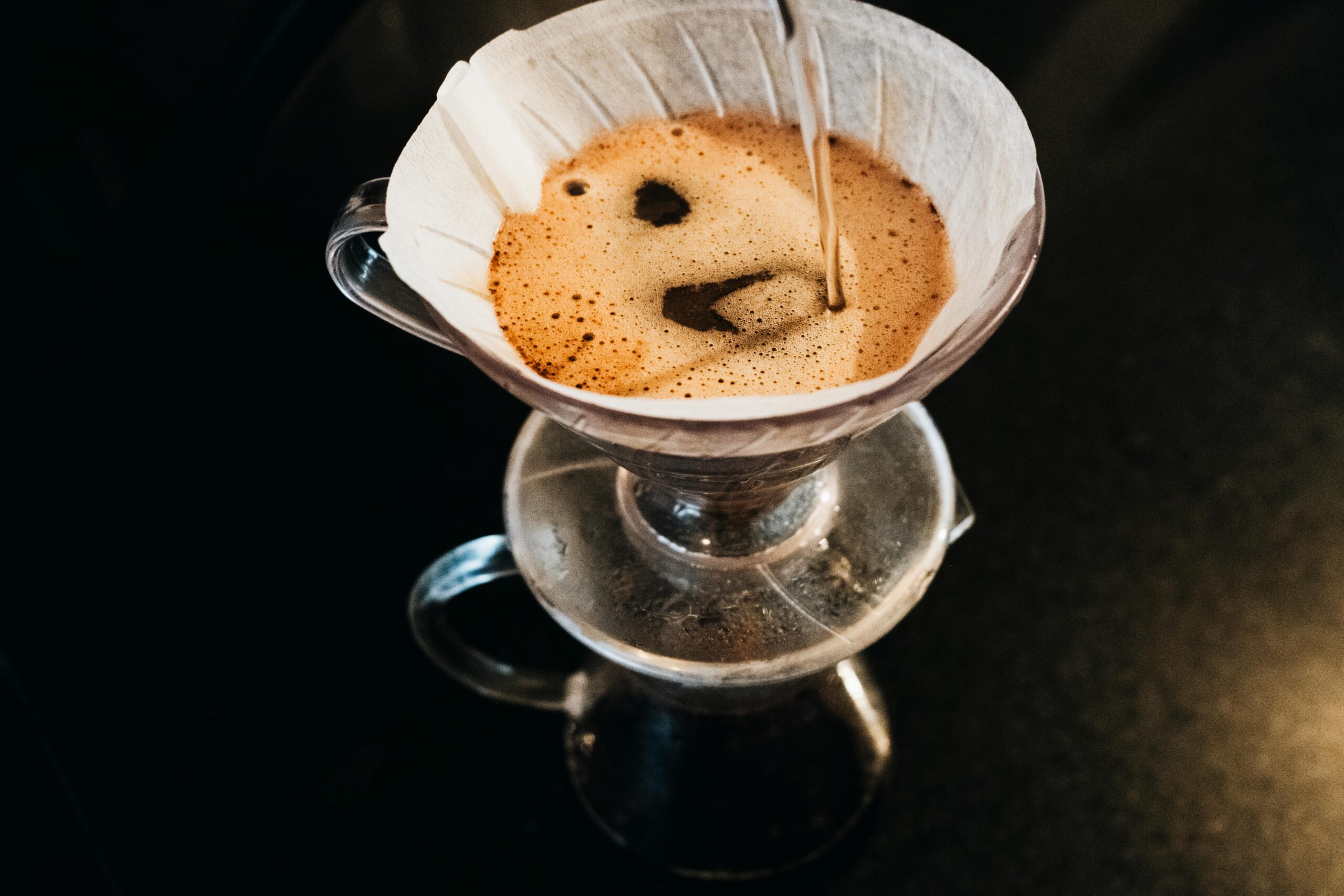
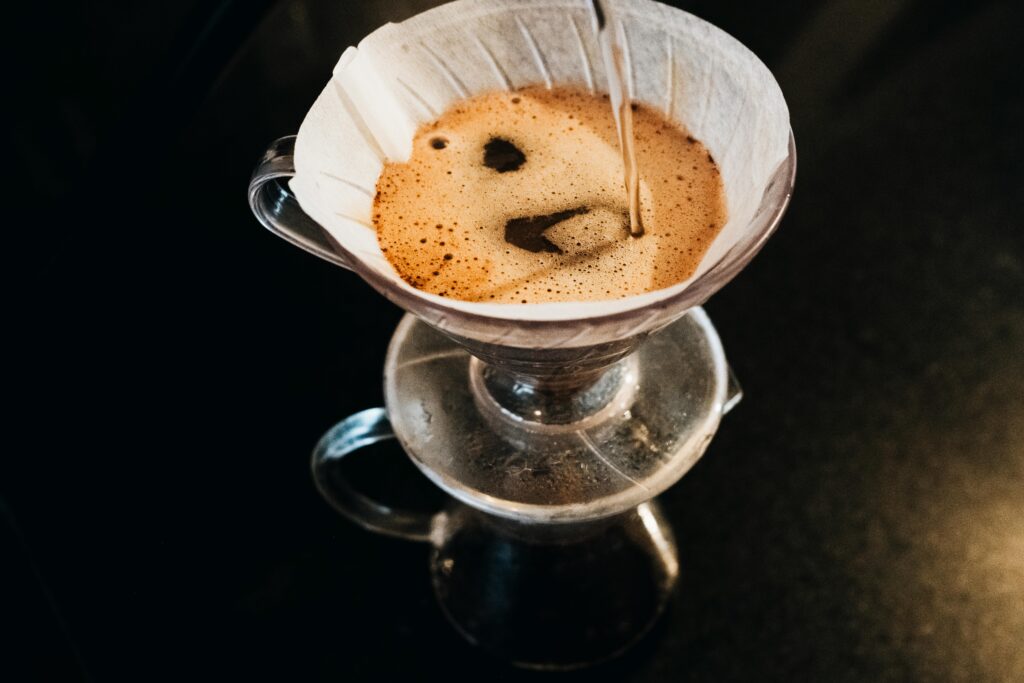
And finally, we have the method. Whether it’s a meticulously timed pour-over or a high-pressure espresso shot, the way your coffee is “poured” is the final act of the play.
A V60 or Chemex requires patience and a steady hand—it’s a slow-burn romance. An espresso is a quick, intense affair in a darkened bar. Each method coaxes something different out of the bean, proving that how you treat something matters just as much as what it is.
For people who never really sleep, do we actually know what’s keeping us awake?
Knowing your coffee is about connection. It’s about respecting the hands that picked the cherries and the minds that perfected the profile. It turns a mindless habit into a mindful ritual. When you know where your coffee comes from, consuming is only one of the best parts.
So, the next time you’re at the counter, don’t just ask for “a coffee.” Ask for the story. Because in this town, the only thing worse than being uninformed is being uninspired.